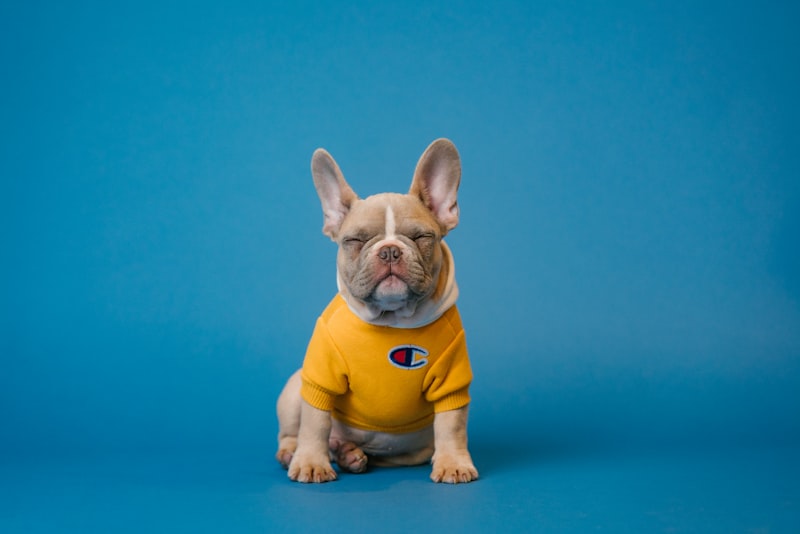
Bringing a lively, inquisitive puppy into your home is an incredible milestone, but when their needle-sharp deciduous teeth sink into your hands, wrists, or pant legs, playtime can swiftly devolve into a stressful ordeal. Understanding why puppies bite and systematically implementing positive reinforcement techniques is essential for molding a gentle, trustworthy adult dog.
Almost every puppy owner experiences a moment of genuine despair, wondering: “Did I accidentally adopt an aggressive dog?” The immediate answer is an emphatic no. Mouthing, nipping, and chewing are entirely normal developmental behaviors. Canines do not possess hands, thumbs, or fingers; their mouths function as their primary sensory organs for exploring their physical environment, testing physical boundaries, and playing with siblings.
🐾 The Fundamental Golden Rule:
Never strike, slap, muzzle-clamp, or shove your fingers down your puppy’s throat. Harsh physical discipline destroys your bond of trust, breeds defensive fear, and significantly increases the likelihood of fear-based aggression during adolescence and adulthood.
1. Why Do Puppies Bite? Decoding the Biological Drivers
To permanently curb unwanted mouthing, you must identify the physiological trigger operating behind the behavior. Puppies do not bite out of spite or dominance; their behavior is driven by three distinct stages of development:
Teething Soreness (12–24 Weeks)
At 3 to 4 months of age, puppy deciduous teeth fall out as 42 permanent adult teeth push through swollen, throbbing gums. Intense counter-pressure from chewing provides biological pain relief.
Arousal & Over-Excitement
During spirited games of tug, fetch, or roughhousing, a puppy’s adrenaline surges. Lacking impulse control, their excitement boils over into frantic snapping and latching onto clothing.
Overtired Temper Tantrums
Growing puppies require between 18 and 20 hours of sleep every 24 hours. An overtired puppy acts exactly like a frantic human toddler: cranky, hyperactive, unable to self-regulate, and prone to wild biting fits.
2. The Concept of Bite Inhibition: Teaching a “Soft Mouth”
Before attempting to extinguish biting entirely, your highest priority is teaching bite inhibition. Bite inhibition refers to an animal’s ability to modulate and restrain the crushing force of their jaw muscles.
In a canine litter, when siblings tumble and play, an overly forceful bite elicits a piercing, high-pitched yelp from the victim, followed immediately by that puppy walking away and terminating the game. The biter quickly learns: “Hard bites destroy my social fun; gentle mouthing allows play to continue.”
💡 The 4-Step Bite Inhibition Protocol
- Engage in calm interactive floor play: Allow your puppy to gently mouth your hands while offering soft praise.
- The Moment of Pressure: As soon as the puppy applies painful pressure, immediately emit a sharp, abrupt sound like “Ouch!” or “Yelp!”
- Go Completely Limp: Do not jerk your hand away violently. Jerking hands simulate fleeing prey and trigger predatory chase instincts. Let your hand hang completely limp and uninteresting.
- The 15-Second Freeze: Fold your arms, turn your back, look up at the ceiling, and withhold all eye contact and attention for 15 seconds. Once the puppy sits or calms, resume gentle interaction.
3. The Redirection Strategy: Always Offer an Approved Alternative
Puppies have an innate biological need to chew during their first year. Expecting a puppy to simply “stop chewing” without providing a satisfying alternative is setting them up for failure. The secret is seamless redirection.
Keep durable rubber chew toys, rope chews, and puzzle feeders strategically positioned throughout your home. Whenever your puppy approaches you with playful intent, pre-emptively place an approved toy directly into their path before their teeth make contact with your flesh.
Notice the playful crouch or open-mouth approach before contact occurs.
Slide a durable rubber KONG or textured toy smoothly between their jaws.
Celebrate passionately: “Good boy, chew your toy!” to reinforce the target.
4. Solving the Ankle & Pant Leg Attacking Syndrome
Few experiences are more exasperating than attempting to walk across your kitchen while your puppy acts like a snapping piranha clamped to your slippers or ankles. Herding breeds (such as Australian Shepherds, Border Collies, and Corgis) and terriers have strong motor patterns wired toward pursuing rapidly moving targets.
When you attempt to shake your foot or continue striding forward, the flailing pant leg becomes an irresistible game. To extinguish this behavior:
- Become a Wooden Statue: The split second teeth touch fabric or heels, freeze completely. Lock your knees and stand perfectly motionless. Motion creates excitement; total stillness terminates the reward.
- Keep Treats or Toys in Your Pocket: Once your puppy releases your trouser cuff and looks up in confusion, toss a soft toy or high-value treat several feet away in the opposite direction.
- Use Drag Lines: In the early training phases, attach a lightweight 6-foot indoor drag leash (with the handle cut off to prevent snagging). If the puppy latches on, you can calmly step on the leash near their collar to restrict forward leaping without laying hands on them.
5. Soothing Sore Gums: Natural Teething Remedies
When canine gums are hot, red, and swollen from emerging premolars, cold items provide instant vasoconstriction, reducing inflammation and numbing localized nerve endings:
🧊 4 Vet-Approved Soothing Teething Treats
6. Frequently Asked Questions Regarding Puppy Biting
Q: At what age will my puppy completely stop biting?
Most puppies experience the peak of their mouthing phase between 12 and 18 weeks. Once their adult molars fully seat around 6 months of age, and provided consistent redirection and bite inhibition training has taken place, biting behavior naturally subsides dramatically.
Q: Should I use bitter apple spray on my hands and ankles?
Taste deterrents like bitter apple or cherry can be helpful temporary management tools for protecting furniture legs, electrical cords, and wooden skirting boards. However, relying on them for hands and clothing rarely addresses the underlying need for training, impulse control, and emotional regulation.
Q: How do I know if my puppy’s biting is aggressive?
Play biting is accompanied by relaxed facial muscles, bouncy body language, tail wagging, and play bows. True aggression in young puppies is extraordinarily rare, but is characterized by prolonged stiffening, hard staring, deep lip-curling snarls, and snapping when food bowls or sleeping spaces are approached. If you suspect resource guarding, consult a certified canine behavior consultant promptly.
🐶 Summary: Key Action Steps for Pet Parents
- Remember that mouthing is natural exploratory communication, not malicious defiance.
- Teach bite inhibition first by freezing interaction and vocalizing soft verbal feedback.
- Never use physical intimidation, hitting, or snout-grabbing techniques.
- Keep a variety of frozen teething textures available to soothe sore developmental gums.
- Enforce scheduled naps throughout the day—a sleeping puppy is a calm, bite-free puppy!