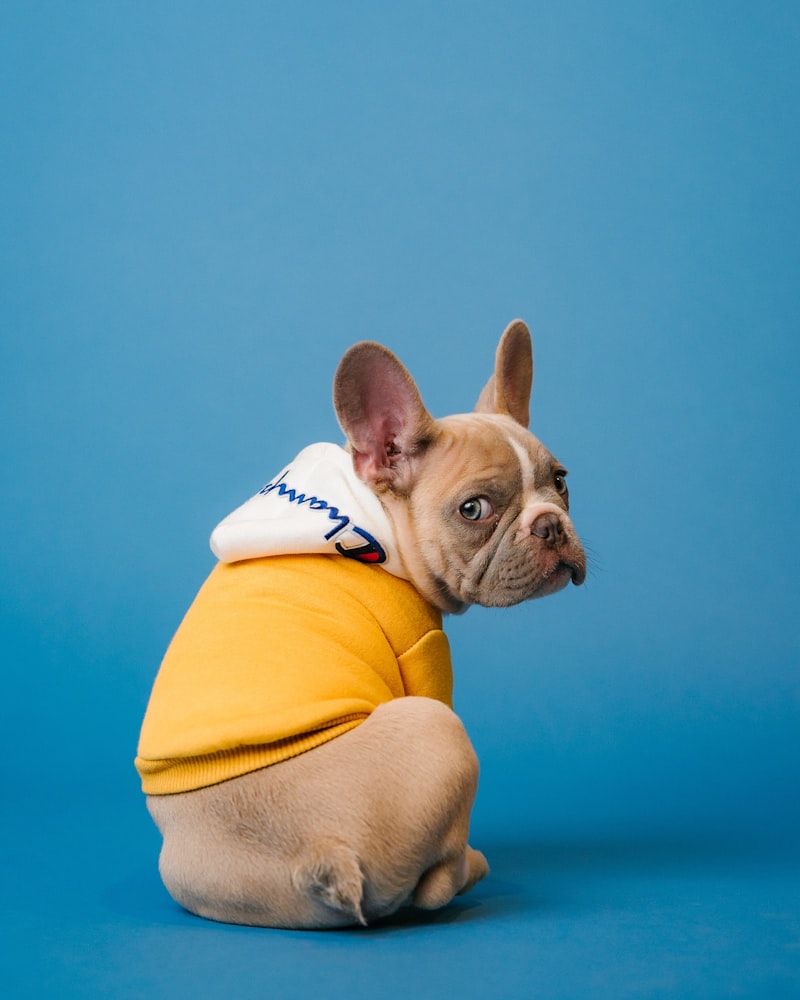
Walking peacefully beside your dog with a slack, relaxed leash is universally considered one of the purest joys of pet companionship. Unfortunately, for millions of dog parents, daily walks resemble an exhausting game of tug-of-war where arms are strained, shoulders ache, and dogs choke themselves dragging their owners down the sidewalk. Leash training requires understanding canine mechanics and utilizing positive reinforcement from day one.
The primary reason dogs pull on leash is rooted in pure biology: dogs naturally travel at a brisk trot (around 4 to 5 miles per hour), whereas human walking speed averages just 2.5 miles per hour. Furthermore, all canines possess an innate instinctual response known as the opposition reflex. When an animal feels physical backward tension exerted against its body, its involuntary reflex is to lean forward and pull with double the intensity.
🐾 The Golden Walking Axiom:
A tight, taut leash must always equal an immediate full stop. A slack, loose “smiling” leash is the only thing on Earth that allows forward momentum and access to interesting outdoor scents.
1. Selecting the Proper Walking Gear for Growing Puppies
The equipment you fasten to your dog directly influences both physical safety and training success. Utilizing the incorrect gear can cause permanent damage to your puppy’s delicate throat cartilage:
Y-Shaped Front-Clip Harness
The gold standard for training. When your dog surges forward, the chest clip gently pivots their shoulders back toward you without choking their throat.
Fixed 6-Foot Nylon Leash
Provides ample room for relaxed sniffing while allowing full physical control. Soft leather or biothane materials prevent painful leash burn on human palms.
Ban Retractable Leashes
Retractable flexi-leads teach dogs that pulling constantly against tension extends the cord, directly rewarding pulling habits.
2. Phase 1: Collar & Harness Conditioning Indoors
Never introduce a harness, leash, and outdoor street distractions all at the same moment. This creates sensory overload that triggers freezing, frantic bucking, or terrified biting at the straps.
Introduce gear gradually inside your living room:
- Step 1 (Positive Association): Hold up the harness. When the puppy sniffs it, say “Yes!” and feed a treat. Do this 10 times.
- Step 2 (Gentle Fitting): Slip the harness over their head while feeding peanut butter from a spoon. Fasten the buckles smoothly without sudden snapping sounds.
- Step 3 (Free Roaming): Allow the puppy to wander around the room wearing the harness for 10 minutes while playing fetch to forget they are wearing equipment.
- Step 4 (Attach the Leash): Clip the 6-foot leash on and allow it to trail behind them loosely on carpeted flooring under close supervision.
3. Phase 2: Teaching the “Sweet Spot” (Walking at Your Hip)
Dogs do not inherently know where they should walk relative to humans. You must create high incentive for your puppy to linger near your seamline. This is known as the “Sweet Spot”—the imaginary 2-foot zone directly adjacent to your left or right hip.
💡 The Rapid Indoor “Pace & Treat” Exercise
In a quiet indoor hallway with zero distractions, hold a handful of pea-sized chicken or cheese treats in the hand closest to your dog:
- Take three steps forward. As your puppy walks parallel with your leg, mark with “Yes!” and deliver a treat right at your knee seam.
- Take another three steps. Repeat the marker and deliver another treat.
- Gradually increase steps: 5 steps, 8 steps, then 12 steps before treating.
- Your puppy quickly deduces: “Remaining close to my human’s leg causes delicious food to materialize constantly!”
4. Phase 3: Transitioning Outdoors with the “Tree Technique”
When you transition outdoor lessons to your driveway or sidewalk, fascinating outdoor smells will tempt your puppy to surge forward. The instant the leash snaps tight:
Plant feet like concrete tree roots. Do not jerk; simply absorb tension.
Wait quietly until the puppy turns their head to see why movement ceased.
The instant the leash sags loosely, step forward together cheerfully.
5. The Importance of “Decompression Sniffaris”
Walks should not resemble rigid military drills. While loose-leash heel work is important for passing busy intersections or crowds, dogs desperately need opportunities to explore their sensory world. Olfactory enrichment dramatically lowers cortisol (stress hormones) in canines.
Use a release cue such as “Go sniff!” and allow your dog to spend 5 to 10 minutes deeply investigating telephone poles, grass patches, and tree trunks on a relaxed slack leash. Balancing structure with freedom produces a contented, mentally satisfied companion.
Advanced Troubleshooting: Dealing with Leash Biting & Refusal to Walk
1. The “Anchor Pup” (Freezing and Refusing to Walk)
Many puppies sit flat on their haunches and dig their claws into the sidewalk, refusing to budge an inch. Dragging them by the collar only induces panic. Instead, squat down 5 feet ahead, turn your sideways profile, and hold out a high-value freeze-dried treat. Toss the treat slightly behind you to encourage forward movement. Celebrate every single step with enthusiastic verbal praise.
2. The Leash Chewer (Attacking the Nylon Webbing)
When frustrated or over-aroused, puppies often spin around and begin playing tug-of-war with their leash. Wrestling the leash from their mouth turns it into a spirited game. Instead, immediately let your hand go completely motionless, drop into a sit cue, and offer a squeaky tennis ball or rubber chew toy carried in your training pouch. Alternatively, use a lightweight metal chain leash for two weeks; canines universally dislike the cold sensation of steel between their teeth.
3. Reactive Lunging at Passing Neighborhood Dogs
If your puppy lunges or whines when seeing other dogs, they are experiencing “frustrated greeting.” Do not allow on-leash nose-to-nose greetings on narrow sidewalks, as leash tension alters natural canine body language and sparks sudden fights. Cross the street, establish eye contact using the “Look at me” cue, and shower treats as the other dog walks past.
Frequently Asked Questions: Canine Leash Training
Q: What is the optimal walk length for a 3-month-old puppy?
Follow the veterinary 5-Minute Rule: multiply your puppy’s age in months by 5 minutes. An 8-week puppy should walk for no more than 10 minutes at a time, twice daily; a 4-month puppy should walk for 20 minutes. Prolonged pavement walking on unclosed skeletal growth plates can cause joint dysplasia and repetitive stress injuries.
Q: Are prong collars or choke chains recommended for pulling?
Modern veterinary organizations, including the American College of Veterinary Behaviorists (ACVB), strongly condemn aversive collars. Metal prongs and choke chains rely on physical pain and suffocation, which induce tracheobronchitis, esophageal damage, ocular pressure spikes, and classical fear conditioning toward environmental stimuli. Positive reinforcement with a front-clip harness is humane, scientifically verified, and permanent.
🐶 Summary: Key Action Steps for Pet Parents
- Equip your dog with a comfortable, non-restrictive front-clip chest harness.
- Condition harness and indoor leash comfort before taking your puppy onto public sidewalks.
- Deliver treats right beside your hip seam to reinforce the designated walking zone.
- Never yank or jerk back on the leash; freeze like an immovable tree whenever tension occurs.
- Incorporate plenty of slow “Sniffari” pauses to let your dog exercise their brilliant sense of smell!