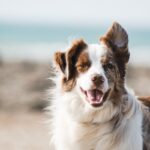
Summer brings endless sunny afternoons, lake trips, and scenic outdoor adventures. However, soaring temperatures present an acute, lethal hazard for our canine companions. Unlike humans who possess sweat glands across their entire body surface, canines rely almost entirely on panting and minimal heat exchange through paw pads to cool down. In extreme ambient humidity, a dog’s internal core temperature can escalate to fatal heatstroke levels in under 15 minutes.
Brachycephalic (flat-faced) breeds such as French Bulldogs, Pugs, Boxers, and Boston Terriers are biologically handicapped in the heat. Their compressed upper respiratory anatomy severely restricts airflow during panting, making effective evaporative heat dissipation nearly impossible. Understanding summer thermal dynamics is life-saving knowledge.
🐾 The 7-Second Asphalt Rule:
Place the back of your bare hand firmly against the street asphalt or concrete sidewalk for 7 full seconds. If it is too painful for your skin to tolerate, it will blister, peel, and burn your dog’s sensitive paw pads. Walk strictly on shaded turf and grass during peak daylight hours.
1. The Parked Vehicle Death Trap: The Physics of Heat
Never leave a dog inside a parked automobile, even for a “quick 3-minute errand” with the windows cracked open. Cars act like greenhouse ovens.
On an 85°F (29°C) summer afternoon, the interior temperature of a parked vehicle reaches 102°F within 10 minutes and rockets past 120°F (49°C) in under 30 minutes. Dogs trapped in these thermal conditions suffer irreversible brain edema, disseminated intravascular coagulation (blood clotting failure), and organ collapse before pet owners return.
2. Recognizing the Stages of Canine Heat Exhaustion & Heatstroke
Normal canine rectal temperature ranges between 101.0°F and 102.5°F. When core body temperature crosses 104°F, heat exhaustion sets in; exceeding 106°F constitutes life-threatening heatstroke:
🚨 Clinical Symptoms of Heatstroke in Dogs:
3. Proactive Summer Cooling Tactics
- Shift Walk Schedules: Restrict exercise exclusively to dawn before 7:30 AM or twilight after sunset when ground temperatures cool.
- Elevated Mesh Beds: Replace plush floor cushions with raised cot-style mesh beds that allow 360-degree airflow underneath the dog.
- Frozen Hydration Treats: Freeze low-sodium chicken broth cubes or water-rich watermelon slices for hydrating afternoon snacks.
- Never Shave Double-Coated Dogs: Double coats (like Golden Retrievers or Huskies) act as thermal insulation against ambient heat. Shaving ruins their natural temperature regulation and exposes pale skin to severe solar sunburn.
The Critical Danger of Thermal Shock: How NOT to Cool an Overheated Dog
When a dog collapses from severe heatstroke, many panicked pet owners make a catastrophic medical error: they dump ice cubes or ice-cold bath water over the dog’s body.
Freezing water induces peripheral vasoconstriction—the blood vessels in the skin violently constrict, trapping scorching blood deep within the internal visceral organs and causing core body temperature to skyrocket higher! Furthermore, ice water induces violent muscular shivering, which generates massive metabolic heat.
The Vet-Approved Safe Cooling Protocol:
- Move the dog to an air-conditioned room or deep outdoor shade immediately.
- Apply lukewarm or cool tap water (NEVER ice) to the groin, armpits, neck, and paw pads where major blood vessels run.
- Position a high-speed electric fan blowing directly over the wet body to maximize evaporative cooling.
- Stop active cooling once body temperature drops to 103°F to avoid hypothermic rebound.
- Transport immediately to a 24-hour emergency hospital for IV fluid stabilization and organ monitoring.
The Science of Canine Thermoregulation: Panting Mechanics
Humans rely on eccrine sweat glands spread across nearly every square inch of our epidermis. When body temperature rises, we sweat, and air currents evaporate that moisture, cooling our blood supply efficiently.
Dogs possess minor merocrine sweat glands exclusively located on the bottom of their paw pads, but their contribution to systemic thermoregulation is less than 5%. Instead, canines utilize respiratory evaporative heat loss (panting).
During normal rest, a dog breathes 15 to 30 times per minute. When heat stressed, their respiration rate accelerates up to 300 to 400 shallow breaths per minute. Air is drawn rapidly across the moist mucosal membranes of the tongue, mouth, and upper respiratory tract.
However, this cooling mechanism operates on one critical physical law: ambient humidity must be low enough for water vapor to evaporate. When summer relative humidity exceeds 70%, moisture on the dog’s tongue cannot evaporate into the already saturated air. The dog pants frantically, exhausting respiratory muscles and generating massive metabolic heat without cooling down. This is why hot, humid days are significantly more lethal than dry desert heat.
The Heat Dissipation Anatomy of the Canine Head & Tongue
Canines possess an extraordinary anatomical heat exchanger known as the carotid rete. Arterial blood heading toward the brain is routed through a network of small vessels bathed in venous blood returning from the nasal cavity.
When a dog pants through their nose and across their elongated palate, air currents cool the venous nasal blood by several degrees. This cooler blood absorbs thermal heat from incoming arterial blood, shielding the sensitive brain from hyperthermic damage.
However, in brachycephalic breeds (Pugs, Bulldogs, Frenchies), the nasal cavity has been shortened through selective breeding by 70% to 80%. They lack the surface area required for carotid rete heat exchange, leaving their brains completely unprotected during extreme heat.
Expert Veterinary Q&A: Summer Heat Safety
Q: Can dogs get sunburned through their fur?
Yes! Dogs with thin, white, or light-colored coats (such as Dalmatians, White Boxers, and Pitbulls) and hairless breeds are highly susceptible to solar erythema (sunburn). Vulnerable areas include the bridge of the nose, ear tips, and thinly haired abdominal bellies. Chronic sun exposure leads to cutaneous solar dermatitis and malignant squamous cell carcinoma. Apply pet-safe, zinc-free canine sunscreen before beach days.
Q: What is water intoxication (hyponatremia) in dogs?
During summer lake excursions or games with garden hoses, excited dogs frequently bite and gulp vast quantities of water. Ingesting excess water dilutes blood sodium levels (hyponatremia), causing brain cells to swell with fluid. Symptoms include glazed eyes, staggering, bloating, and seizures. Always enforce 15-minute resting breaks during lake swimming sessions.
🐶 Summary: Key Action Steps for Pet Parents
- Never leave dogs in parked vehicles under any circumstance.
- Perform the 7-second pavement test before every daytime walk.
- Monitor brachycephalic and senior dogs closely in temperatures above 80°F.
- Cool overheating dogs with lukewarm water and seek immediate emergency veterinary intervention!