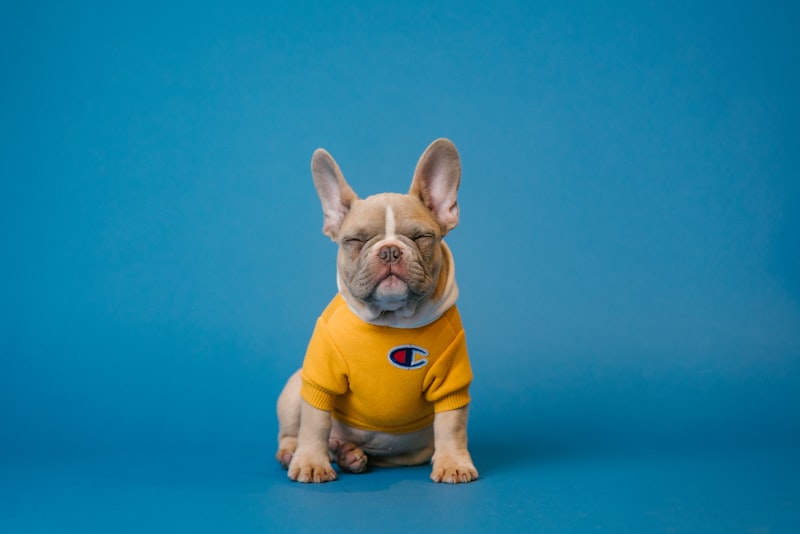
A widespread dogma in pet parenting claims that running a dog until they collapse from physical exhaustion is the sole remedy for high energy. However, cardiovascular exercise only builds physical athletic endurance. If your dog continues to pace restlessly, chew baseboards, or bark at windows after a 3-mile jog, they are suffering from mental starvation.
A canine’s sense of smell is between 10,000 and 100,000 times more sensitive than a human’s. The olfactory bulb in the canine brain is roughly 40 times larger proportionately than ours. Engaging your dog’s extraordinary olfactory apparatus and cognitive problem-solving abilities exhausts their central nervous system far more peacefully than hours of relentless ball tossing.
🐾 The 15-Minute Cognitive Formula:
Just 15 to 20 minutes of concentrated scent work, nose games, or puzzle solving expends as much mental energy as a 60-minute neighborhood walk, leaving your dog satisfied, relaxed, and ready for deep restorative sleep.
1. Top 4 DIY Indoor Cognitive Brain Games
The “Find It” Scent Trail
Put your dog in a stay in the hallway. Hide fragrant treats under cardboard boxes or behind chair legs in the living room. Release with “Find it!” and let their nose work.
Muffin Tin Tennis Ball Puzzle
Drop high-value treats into the cups of a 12-cup muffin tin. Cover each cup with a tennis ball. Your dog must use problem-solving snout nudges to dislodge the balls.
The Rolled Towel Burrito
Scatter kibble across a bath towel, roll it into a tight cylinder, and tie a loose knot in the center. Dogs must use paws and teeth to systematically unravel each layer.
Cardboard Destruction Box
Crumple treats inside paper packaging and place inside a taped cardboard shoebox. Satisfies natural tearing, dissecting predatory motor patterns harmlessly.
2. Ditch the Food Bowl: The Concept of “Work-to-Eat”
No wild animal receives their daily nutrition dumped into a bowl requiring zero effort. Animals possess an innate biological drive known as contrafreeloading—they actively prefer to solve challenges to earn food rather than eating effortlessly from a trough.
Throw away the standard ceramic dog bowl. Feed all daily meals through snuffle mats, wobbler treat dispensers, and frozen stuffed KONGs. This turns a 45-second gulping session into 30 minutes of deep, dopamine-releasing mental satisfaction.
The Neuroscience of Canine Scent Work: Jacobson’s Organ
At the roof of a dog’s mouth lies a specialized sensory organ called the vomeronasal organ (Jacobson’s organ). This biological structure contains receptors dedicated exclusively to analyzing pheromones and chemical markers.
When your dog sniffs deeply during scent games, air is bifurcated: part travels to the lungs for respiration, while a dedicated portion travels across 300 million olfactory receptors directly to the cognitive brain. Engaging this sensory system triggers rapid neuroplasticity, stimulating hippocampal memory centers and releasing relaxing beta-endorphins that dissolve anxiety.
The 3-Cup Shell Game:
Place 3 opaque plastic cups upside down on the floor. Let your dog watch you place a piece of cheese under one cup. Shuffle the cups slowly across the floor. Encourage your dog to sniff: “Where is it?” When their snout touches the correct cup, lift it up and celebrate! This simple mental puzzle builds incredible focus in high-energy breeds.
The Neurobiology of Boredom: Why Mental Work Prevents Destruction
Canine brains require cognitive problem-solving to synthesize adequate neurochemicals like dopamine and serotonin. When a highly intelligent working or herding breed (like an Australian Shepherd, Border Collie, or German Shepherd) is confined to a quiet living room with zero challenges, sensory deprivation occurs.
To relieve intense psychological boredom, the canine brain seeks immediate stimulation. The dog discovers that ripping apart drywall, chewing wooden doorframes, or digging through carpet fibers produces loud noises, novel tactile sensations, and dramatic human reactions. What owners perceive as “malicious spite” is simply an under-stimulated brain desperately self-medicating through destructive sensory exploration.
Providing structured olfactory enrichment, foraging snuffle mats, and progressive puzzle games channels these natural predatory motor patterns harmlessly, transforming hyperactive, anxious dogs into calm, satisfied household companions.
Level 1 to Level 4: Progressive Canine Puzzle Games
Just like human crossword puzzles, canine brain toys should follow a graduated learning curve to build confidence without causing frustration:
Fleece fabric strips where treats are sprinkled lightly. Teaches dogs to trust their nose over visual tracking.
Requires the dog to use their nose or paws to push wooden sliders along tracks to uncover hidden compartments.
Requires sequential steps: pulling a plastic peg upward before a drawer can slide open to release the treat.
Enrichment Q&A: Brain Games & Canine Mental Stimulation
Q: How do I prevent my dog from cheating on puzzle toys by chewing them open?
When a dog chews a plastic puzzle instead of solving the sliders, it indicates the challenge level is too high and triggering frustration. Drop down to an easier Level 1 puzzle, leave sliding compartments halfway open so treats are easily visible, and supervise play. Once the dog understands the mechanics, gradually increase difficulty.
Q: Are lick mats safe for power chewers?
Always supervise lick mat sessions. Silicone mats are designed for soft tongue licking, not aggressive jaw chewing. Once your dog licks the mat clean, immediately remove it and substitute an approved durable rubber chew toy to prevent swallowing torn silicone corners.
Q: Can elderly dogs with arthritis participate in brain games?
Enrichment is essential for senior dogs! When mobility diminishes due to osteoarthritis, physical walks must be curtailed. Scent games, snuffle mats, and lick mats provide rich mental stimulation without stressing painful joints, actively warding off Canine Cognitive Dysfunction Syndrome (canine Alzheimer’s).
🐶 Summary: Key Action Steps for Pet Parents
- Incorporate 15 minutes of daily scent games to calm hyperactive, high-drive dogs.
- Replace standard feeding bowls with interactive snuffle mats and puzzle dispensers.
- Rotate toys weekly to maintain novel curiosity and prevent boredom.
- Pair mental stimulation with physical exercise for a perfectly balanced, contented pet!