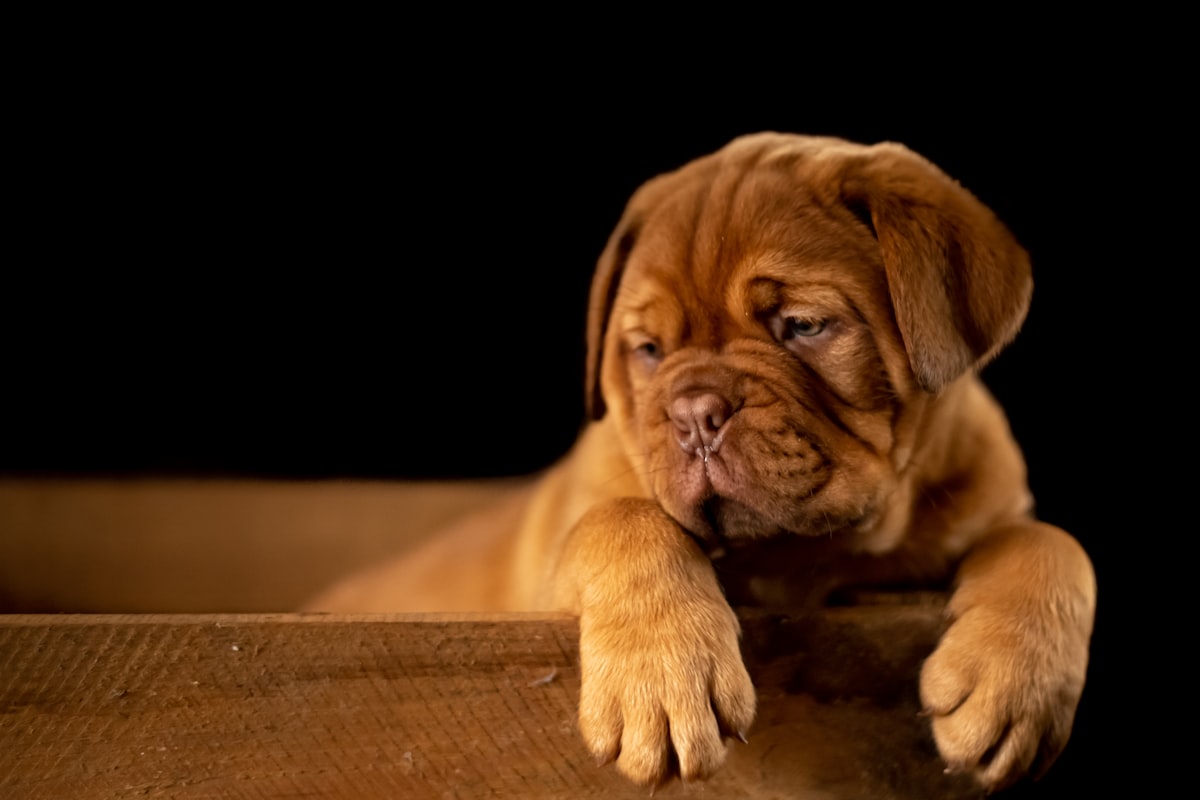
The doorbell rings, footsteps approach, and within seconds your beloved canine transforms into an airborne missile, launching their paws onto your visitors’ clean clothes or knocking children off balance. Jumping up is one of the most widespread behavioral complaints among dog owners, yet it stems from a natural biological desire for face-to-face social greeting.
In wild and domestic canines, greeting rituals naturally center around mouth and facial communication. Puppies enthusiastically lick the muzzles of returning adult pack members to solicit food and verify social bonds. When humans enter a doorway, their faces are elevated 5 feet above the ground; from your dog’s anatomical perspective, leaping upward is the most direct physical attempt to say hello to your face.
🐾 The Cardinal Rule of Jumping Prevention:
Never push your dog away, grab their front paws, or knee them in the chest. In canine play mechanics, physical contact and human hand placement on their shoulders are interpreted as roughhouse wrestling! Shoving a dog away actually rewards their jumping with intense physical tactile feedback.
1. Decoding the 3 Main Motivations for Jumping
Arousal Overflow
The doorbell triggers sudden adrenaline spikes. Lacking impulse control mechanisms, high-drive dogs leap to discharge emotional excitement.
Accidental Reinforcement
Well-meaning visitors smile, pat the dog’s flanks, and say “It’s okay, I love dogs!”, directly cementing jumping as a winning strategy.
Anxious Space Defense
Some insecure dogs jump not out of joy, but to put pressure on newcomers, attempting to drive them backward away from the front threshold.
2. The “Four-on-the-Floor” Training Methodology
To permanently curb jumping, you must teach an incompatible replacement behavior: Four paws planted firmly on the floor is the sole currency that purchases human attention.
The 4-Step Floor Protocol:
- The Moment of Launch: As soon as your dog prepares to leap, fold your arms tightly across your chest, turn your side profile, look upward at the ceiling, and freeze completely motionless.
- Zero Sensory Feedback: No verbal scolding, no eye contact, and no touching. Become an uninteresting wooden pole.
- The Gravity Moment: Canine physics guarantees that two-legged balancing is exhausting. Within 3 to 5 seconds, all four paws will touch the floor.
- Instant Calm Reward: The split second four paws touch the floor, calmly lower your hands, deliver a treat at knee-height, and offer low-pitched praise: “Good quiet feet.”
3. Threshold Management: The “Place” Command Solution
Managing the physical doorway environment eliminates rehearsal of bad habits while training is underway. Set up a comfortable canine mat or raised cot 10 feet away from your front doorway.
🚪 The Doorbell De-escalation Drill
Have a family member stand outside and ring the doorbell. Prompt your dog to their mat using the “Go to Place” cue. Feed high-value chicken morsels continuously while they maintain a calm Down position on the mat. Open the door slightly. If the dog breaks position, close the door immediately. Practice until the doorbell becomes the predictive cue to race to the mat and wait for treats!
4. Coaching Your Human Guests
Often the most challenging aspect of jumping training is managing human behavior. Visitors frequently undermine your consistency by encouraging jumping.
- Post a Doorway Notice: Place a cheerful sign on your front porch: “Dog in training! Please completely ignore our dog until all four paws are on the floor.”
- The Treat Scatter Tactic: Hand guests a small cup of crunchy treats before they enter. Instruct them to toss a handful of treats across the floor away from their shoes the instant they step through the threshold.
- Use a Drag Leash: Fasten a 6-foot lightweight training leash to your dog’s harness before opening the door. Step lightly on the leash allowing enough slack to stand or sit, but physically preventing upward airborne leaps.
5. Frequently Asked Questions: Dog Jumping
Q: Why does my dog only jump on certain people?
Dogs are expert body language assessors. Individuals who speak in high-pitched voices, gesture wildly with their hands, or display anxious fluttering movements project high arousal energy that invites dogs to match their physical intensity through jumping.
Q: How long does it take to extinguish jumping habits?
With 100% human consistency (zero accidental rewards), jumping behavior drops by 80% within two to three weeks. Expect an “extinction burst” around day 5, where the dog jumps harder and more persistently before finally realizing the old strategy is permanently dead.
Q: Can I use an automatic sit instead of four-on-the-floor?
Yes! Teaching a default “Sit to Greet” is the gold standard of canine etiquette. A dog whose rear end is planted firmly on the floor is physically incapable of jumping.
Advanced Protocol: Managing the “Hyper-Greeter” Breed Types
Certain breeds—notably Golden Retrievers, Boxers, Labradors, and Poodles—possess intense genetic social sociability. To these “hyper-greeters,” human arrival registers as the biological highlight of their day.
For these high-drive canines, standard passive ignoring is frequently insufficient because the sight of guests approaching provides overwhelming autonomic stimulation. In these instances, pair the Four-on-the-Floor rule with an Incompatible Oral Task:
- The “Hold a Toy” Reflex: Many retrieving breeds experience a soothing reduction in arousal when carrying an object in their mouth. Place a basket of large squeaky plush toys directly beside your front door. Train your dog to grab a toy before greeting. Carrying a plush dumbbell mechanically prevents mouth nipping and channels nervous physical energy into mouth grip rather than vertical jumping.
- The Scent Trail Buffer: If a known excitable guest (like a favorite relative) arrives, scatter a generous handful of freeze-dried liver or cheese treats into the living room rug 30 seconds before opening the front door. The dog will be deeply absorbed in downward sniffing (which lowers heart rate) rather than standing poised at the door jamb ready to pounce.
Trainer Q&A: Solving Jumping in High-Drive Puppies
Q: What should I do if my puppy jumps and bites at my winter coat zippers?
Coat zippers and dangling drawstrings trigger predatory chase drives. Pre-empt the jump: hold a rubber chew toy or tasty bully stick in your hand before entering the room. Deliver the toy into their mouth before they jump. Carrying an object prevents jaw snapping and keeps all four feet grounded.
Q: Why does my dog only jump when I return from work, but not when family members arrive?
You are likely the primary attachment figure. Dogs experience an intense surge of oxytocin and dopamine upon reuniting with their primary handler. To calm this frenzy, do not speak or look at your dog for the first 3 minutes of arrival. Walk straight to the kitchen, set down your keys, take off your shoes, and only offer calm, grounding chest scratches once your dog has fully settled on their bed.
🐶 Summary: Key Action Steps for Pet Parents
- Never push, shove, or yell when a dog jumps—physical contact rewards the behavior.
- Cross arms, turn away, and freeze until all four paws touch the carpet.
- Reward calm floor behavior immediately at knee-level with tasty rewards.
- Equip dogs with drag leashes and coach houseguests to ensure universal consistency!